Proximity sensors play a vital role in modern automation by enabling non-contact detection of objects, improving precision, and supporting seamless operations. In dynamic operational environments where conditions frequently change, performing regular proximity sensor testing ensures reliable and consistent results. This practice enhances system stability, reduces errors, and supports uninterrupted workflow efficiency across diverse industrial applications. It also strengthens confidence in automated decision-making systems by ensuring that every detection event is validated for accuracy and responsiveness even under shifting operational demands.
Importance of Proximity Sensor Testing
Proximity sensor testing helps verify that sensors respond accurately under varying environmental conditions such as vibration, temperature shifts, dust, humidity, and movement. It ensures that signals remain stable and detection accuracy is maintained even when operational loads fluctuate. By validating sensor performance, organizations can prevent misreads, minimize signal drift, and maintain optimal system behavior. Regular testing also supports predictive maintenance strategies, allowing early identification of potential degradation before it affects production quality or operational continuity.
Ensuring Consistency in Dynamic Environments
Dynamic environments often introduce challenges such as rapid motion, mechanical vibration, electromagnetic interference, and fluctuating object positions. These conditions can impact sensor stability if not properly monitored. Regular testing ensures that proximity sensors adapt effectively to these conditions without compromising accuracy. It confirms that detection ranges, response times, and output signals remain consistent, supporting smooth automation and reducing unexpected downtime. This consistency is essential for maintaining synchronized workflows in high-speed or continuously changing production systems. Fixing proximity sensor not working improves system reliability.
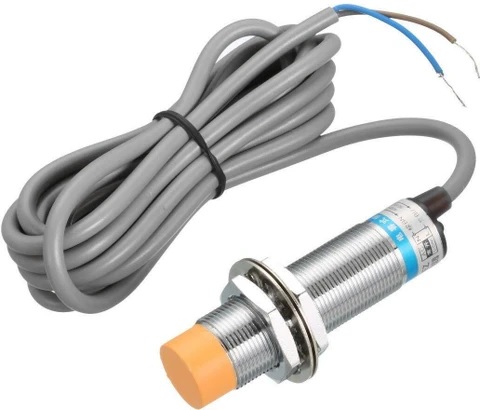
Key Testing Practices
- Conduct routine calibration checks to maintain detection accuracy across varying conditions
- Simulate real-world operational scenarios for comprehensive performance validation
- Inspect sensor alignment, positioning, and mounting stability to avoid misalignment errors
- Verify signal output consistency across short, medium, and long detection ranges
- Monitor environmental factors such as temperature, vibration, and humidity that may influence readings
- Evaluate response time stability during continuous operation cycles
Benefits of Regular Proximity Sensor Testing
- Improved operational reliability and significantly reduced system failures
- Enhanced accuracy in object detection, positioning, and process control
- Lower maintenance costs through early detection of performance deviations
- Increased productivity due to stable and uninterrupted automated performance
- Stronger safety assurance in industrial environments with reduced risk of malfunction
- Better scalability of automation systems across complex operational setups
Conclusion
Consistent proximity sensor testing is essential for maintaining dependable automation in dynamic operational environments. By ensuring accurate detection, stable response behavior, and reliable signal output, it supports efficient industrial processes. This proactive approach minimizes disruptions, enhances operational resilience, and contributes to long-term excellence in automated system performance across diverse and demanding conditions. Additionally, integrating systematic testing schedules into maintenance workflows ensures long-term reliability and reduces unplanned interruptions. As automation systems become more complex, consistent validation of sensor performance becomes a critical factor in achieving operational excellence and maintaining competitive efficiency in demanding industrial environments.